


Search
Total: 141 results found.
Page 5 of 8
Chairs

Pouf mod. VINTAGE
High quality structure made in solid poplar.
Feet in durmast wood (colour finish chosen by the Customer).
Padding with a double layer of belts, rigid at the bottom and elastic on top, entirely made with rubberized coconut fiber (without any use of "sponge rubber"). Surface finish in polyester fiber lining and cotton fabric.
Kind of cover chosen by the Customer (nailed, removable, nailed with housse, piping, trimmings, etc.).
Standard dimensions (changeable by the Customer): width cm. 55, depth cm. 50, height cm. 42
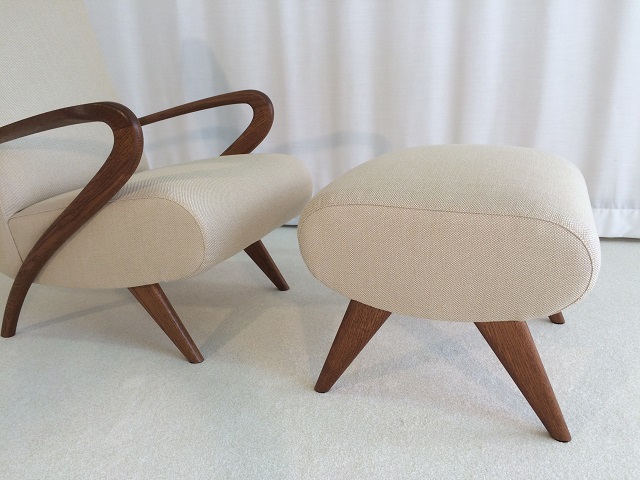
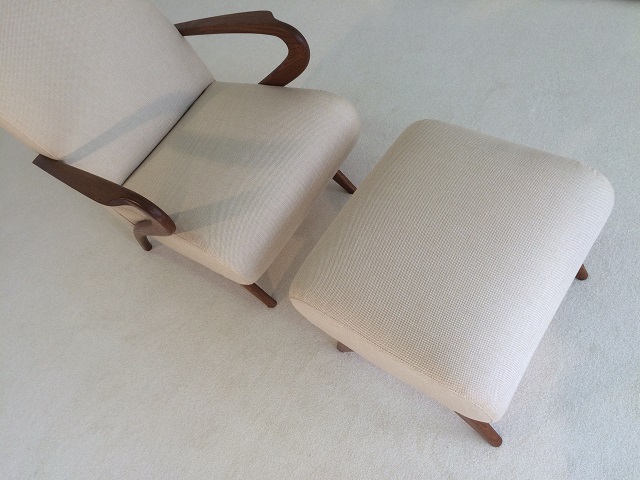
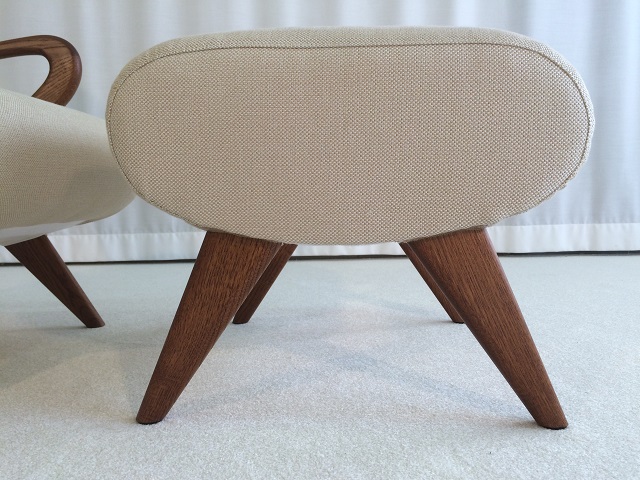
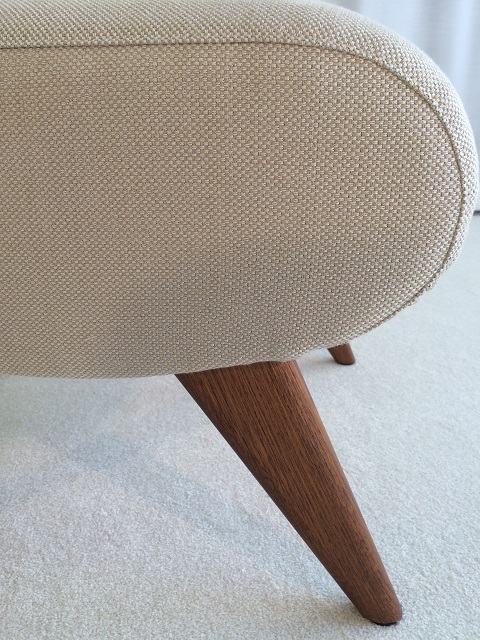
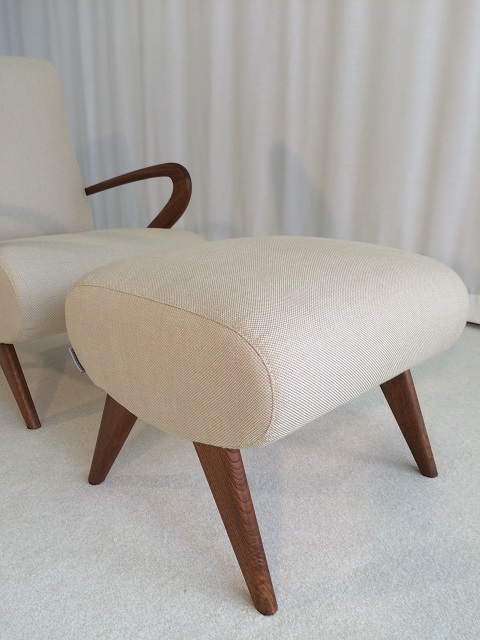
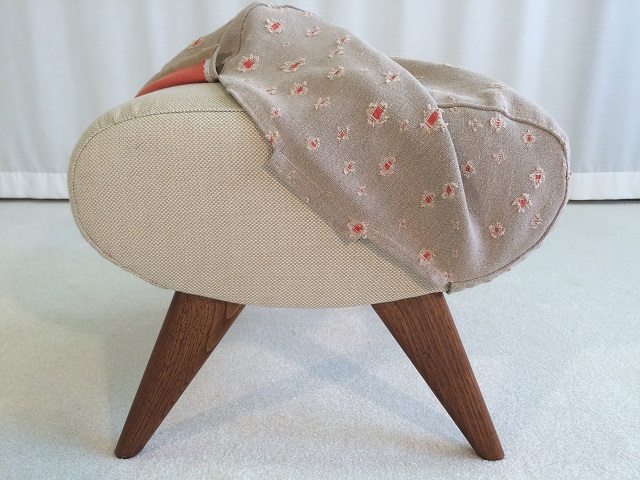
Example of pouf mod. VINTAGE, NAILED version (non-removable cover):
Chestnut colour finish for the feet (as requested by the Customer).
Nailed fabric cover (non-removable).
Dimensions: width cm. 55, depth cm. 50, height cm. 42
Price (excluding fabric cost): Euro 526 + VAT (shipping excluded)
Needed fabric: mt. 1 h.140 without pattern repeat as photos
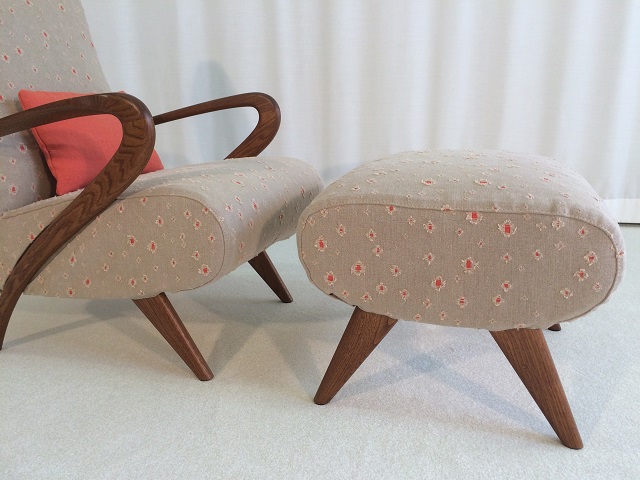
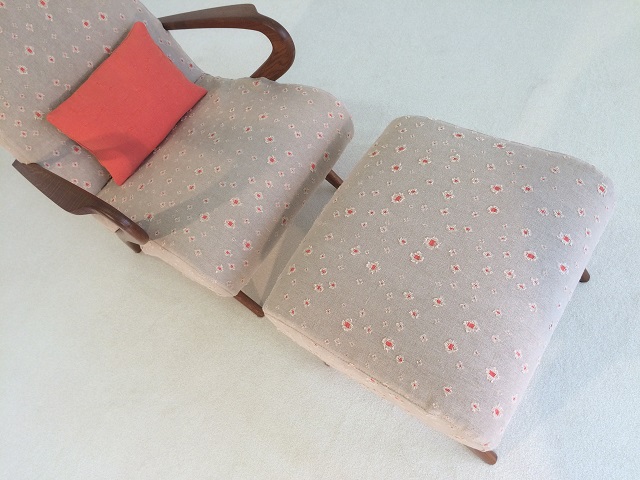
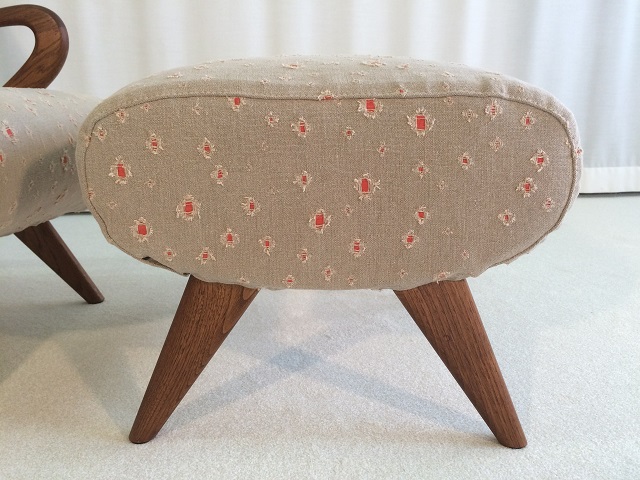
Example of pouf mod. VINTAGE, NAILED version (non-removable cover) with HOUSSE (protective removable fabric cover):
Chestnut colour finish for the feet (as requested by the Customer).
Nailed fabric cover (non-removable) + housse (protective removable fabric cover).
Dimensions: width cm. 55, depth cm. 50, height cm. 42
Price (excluding fabric cost): Euro 608 + VAT (shipping excluded)
Needed fabric for nailed cover: mt. 1 h.140 without pattern repeat
Needed fabric for housse: mt. 1 h.140 without pattern repeat as photos
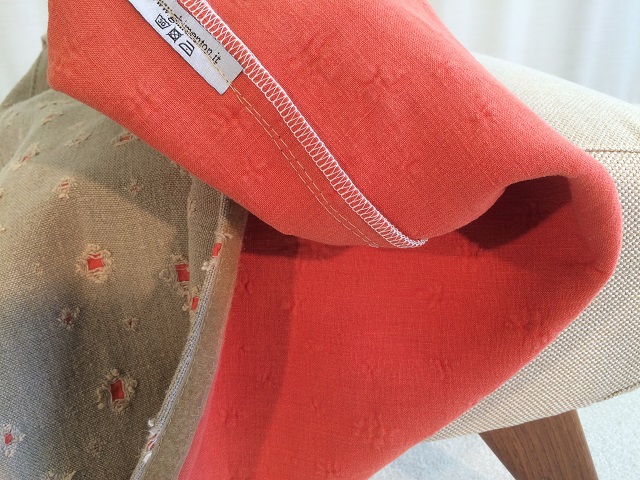
Fabric washing instructions directly sewn on the housse:
Technical details:
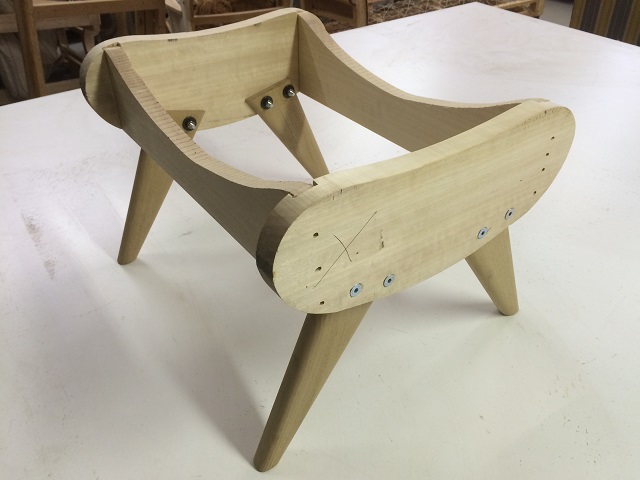
High quality solid poplar structure:
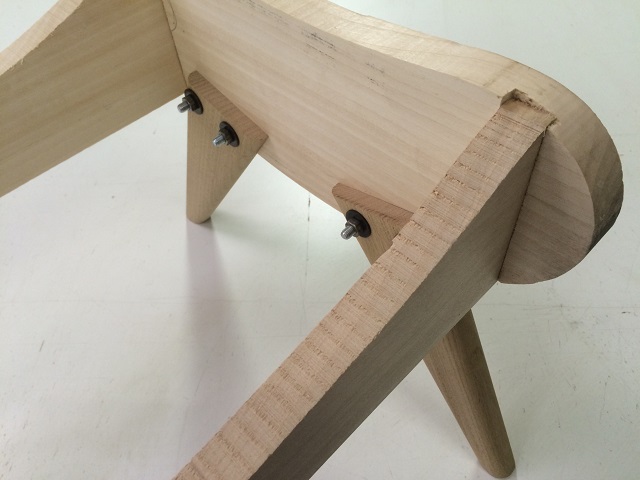
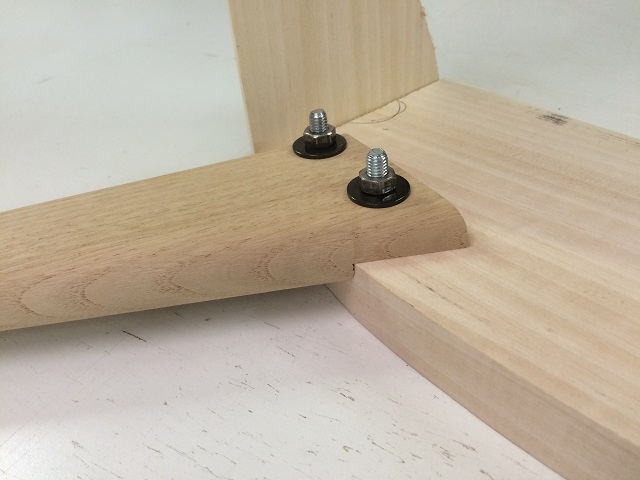
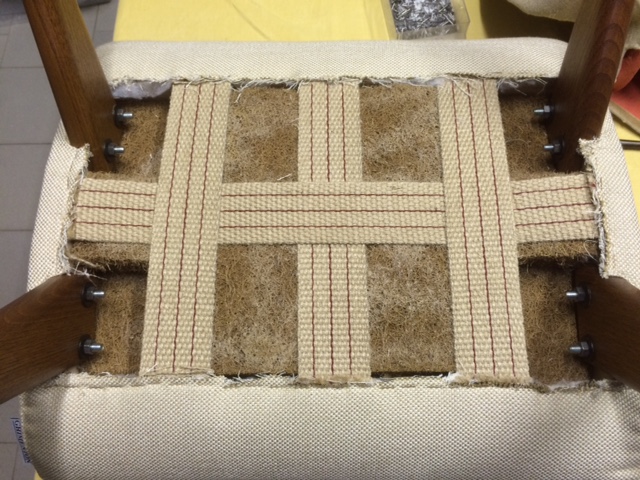
Very strong fixing of feet:
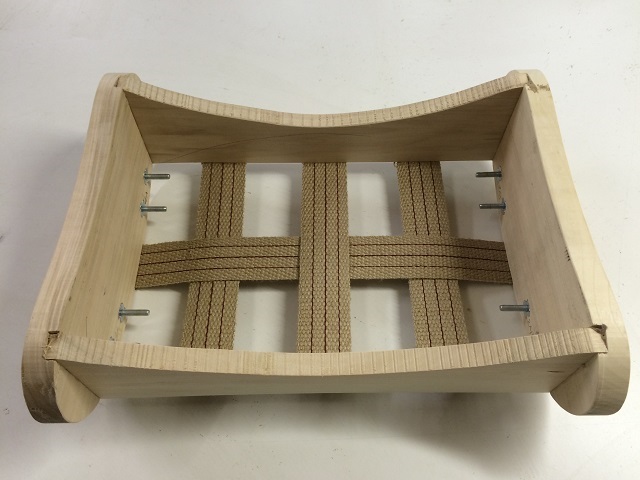
Bottom layer of rigid jute belts:
Filling made entirely of rubberized coconut fiber:
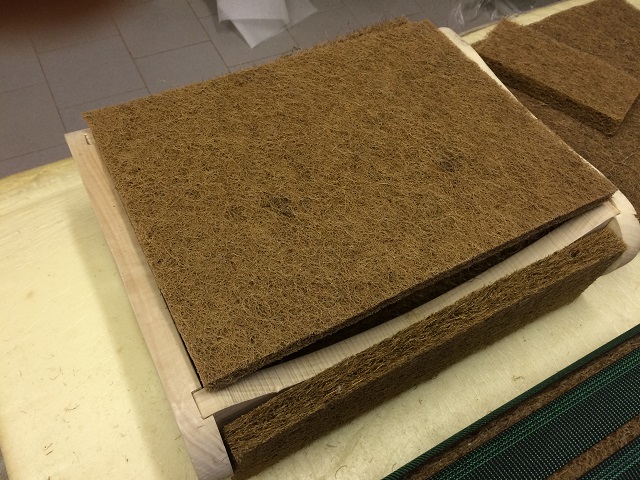
The rubberized coconut is a material obtained from the fiber of coconut shell combined with natural latex. The coconut fiber is particularly resistant and does not deteriorate over time, even over decades; its structure allows optimum ventilation and breathability counteracting the accumulation of moisture and dust. In fact, the rubberized coconut is generally used in the production of mattresses, in particular for the nautical sector where the coconut fiber allows the ventilation of the mattress also when in contact with wooden panels that would otherwise create mold on the bottom of the mattress. The natural latex of which the coconut fiber is sprinkled serves to give elasticity and bind the material in a single body, which in fact comes in the form of slabs of various thicknesses:

Top layer of elastic belts:
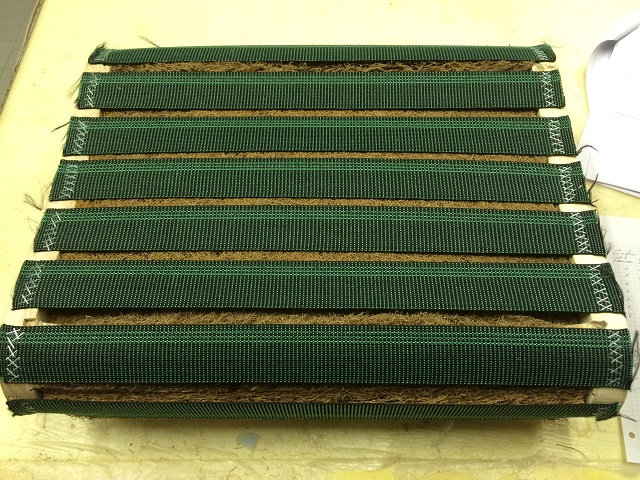
The construction of sittings with a lower layer of rigid jute belts, filling entirely made of rubberized coconut fiber and an upper layer of elastic belts, is a specialty and characteristic of our productions. This new system is inspired by the principle of ancient sittings, made of knotted springs and hand-stitched horsehair, but updating it with simplified techniques that anyway guarantee, or perhaps even increase, the durability of the padding and keep it clean, avoiding the accumulation of dust inside the padding (which instead takes place in old vegetal or horsehair padding).
Additional surface layer of rubberized coconut fiber:
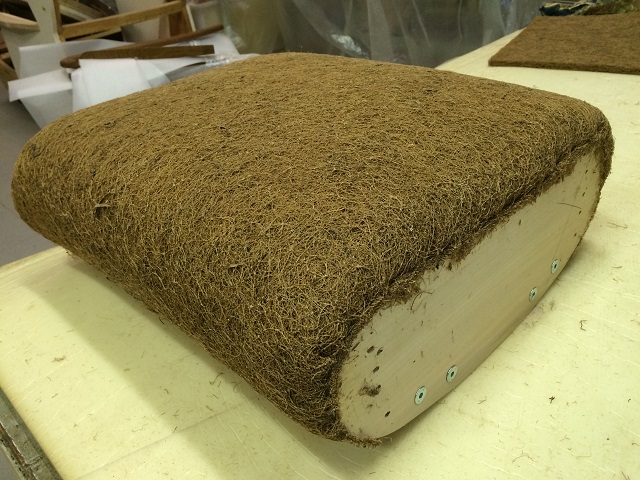
All the padding is manufactured without using anywhere the most common (and also cheaper) flexible polyurethane foam, also known by the term "sponge rubber". The flexible polyurethane foam, in fact, has the disadvantage of oxidizing in the long term (20-30 years) presenting the typical "chalking" (yellow powder) and to issue rubber smell after a few years old, especially if the product is placed in humid and little ventilated areas. The rubberized coconut fiber, instead, does not have these defects and even over 20-30 years of use it remains totally intact and odorless.
Surface finish in polyester fiber lining:
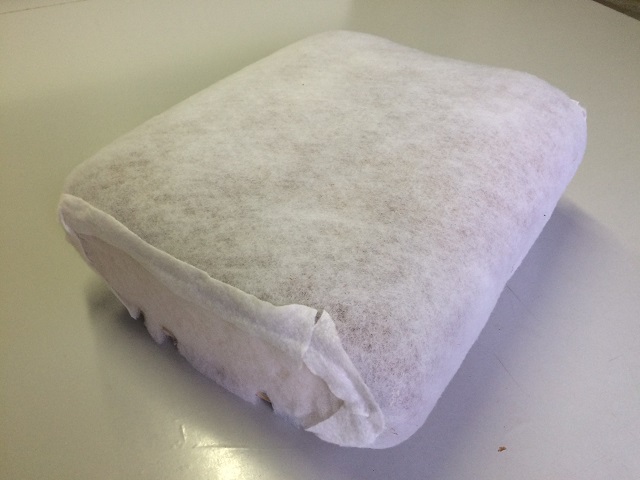
Final cover of the padding with cotton fabric.
While manufacturing the padding and the fabric covers, solutions are adopted in order to grant the access to the fixing bolts of wooden feet, making the operations of taking apart and reassembling them easy in case maintenances and wood polishing are needed:
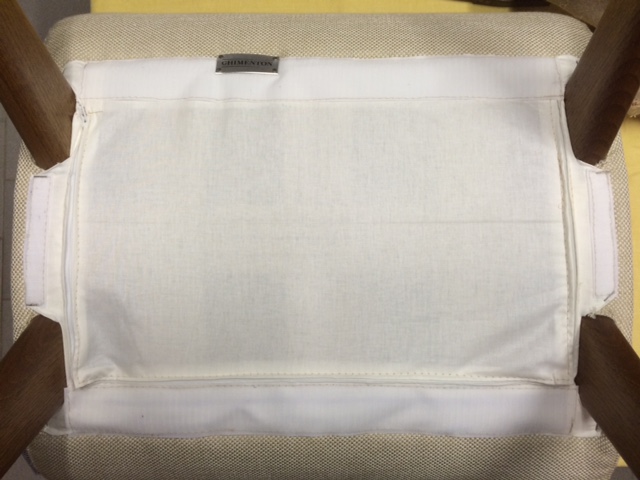
Each item is cataloged and identified by a reference number, which characterizes it as a unique piece:
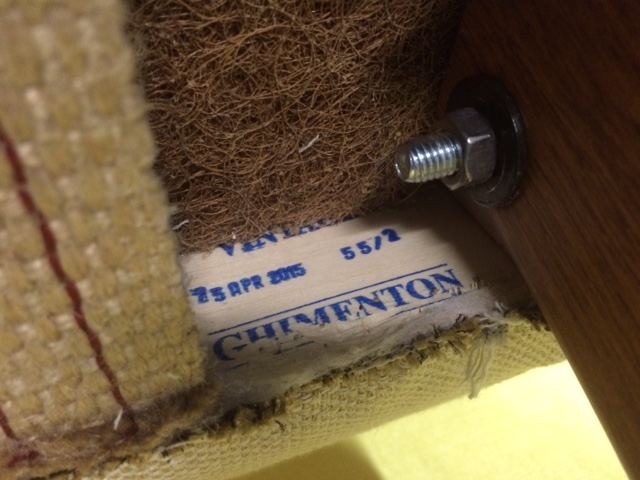
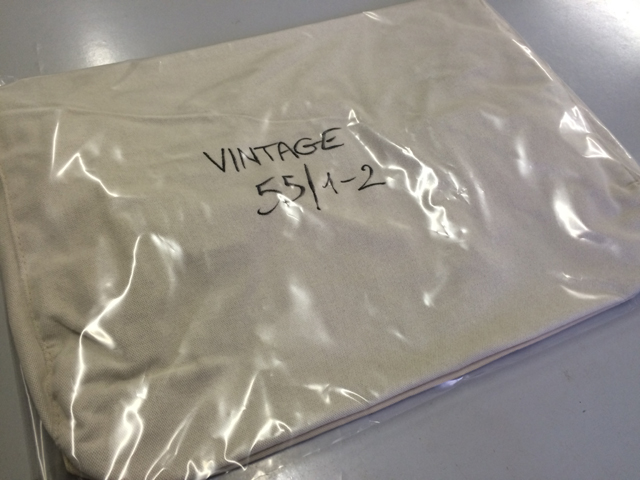
For every single item we manufacture we always make an extra “sample cover” (in both cases of removable cover version and fixed/nailed version) which is archived by us. So, even after many years and also for fully customized versions, we can always make new covers without taking back the armchair to our workshop (in versions with fixed/nailed cover, if it is not possible to bring back the armchair to our factory, the works of un-nailing the old fabric and nailing down the new fabric, sewn and pre-arranged by us, can be easily done by any local upholsterer). You cannot turn a version born with fixed/nailed cover into a removable cover version (or vice versa) without bringing back the sofa to our workshop (or at least it should be entrusted to a professional local upholsterer):
Chairs
Pouf mod. TWIST
High quality structure in solid wood with the bottom made in ekumé marine plywood.
Base in durmast wood (colour finish chosen by the Customer).
Padding with a layer of elastic belts and made with nautical foam and rubberized coconut fiber (without any use of "sponge rubber"). Surface finish in polyester fiber lining and cotton fabric.
Kind of cover chosen by the Customer (nailed, removable, nailed with housse, piping, trimmings, etc.).
Standard dimensions (changeable by the Customer): width cm. 40 x 40, maximum encumbrance cm. 50 x 50, height cm. 47


Example of pouf mod. TWIST, REMOVABLE cover version:
Wengé colour finish for the base (as requested by the Customer).
Removable fabric cover with, as requested by the Customer, piping in contrasting colour on the corners.
Dimensions: width cm. 40 x 40, maximum encumbrance cm. 50 x 50, height cm. 47
Price (excluding fabric cost): Euro 535 + VAT (shipping excluded)
Needed fabric: mt. 1,60 h.140 without pattern repeat as photos

Detail of the piping in contrasting colour on the corners:


Fabric washing instructions sewn directly on the cover:

Example of footstool mod. TWIST, REMOVABLE cover version:
Wengé colour finish for the base (as requested by the Customer).
Removable fabric cover with, as requested by the Customer, piping in contrasting colour on the corners.
Dimensions: width cm. 33 x 33, maximum encumbrance cm. 43 x 43, height cm. 28
Price (excluding fabric cost): Euro 358 + VAT (shipping excluded)
Needed fabric: mt. 0,70 h.140 without pattern repeat as photos

Detail of the piping in contrasting colour on the corners:


Technical details:
High quality structure in solid wood with the bottom made in ekumé marine plywood:


Base in durmast wood:

Elastic belts and internal part of the padding made of nautical foam (closed-cell expanded polyethylene foam):

The nautical foam (closed-cell expanded polyethylene foam) is a material derived from oil. It has a high density and therefore does not deform. It does not deteriorate over time, even over decades. It is usually used for outdoor cushions of boats, thus constantly exposed to the sun and water, because of its impermeability and resistance to mold and oxidation:

External part of the padding made of rubberized coconut fiber:

The rubberized coconut is a material obtained from the fiber of coconut shell combined with natural latex. The coconut fiber is particularly resistant and does not deteriorate over time, even over decades; its structure allows optimum ventilation and breathability counteracting the accumulation of moisture and dust. In fact, the rubberized coconut is generally used in the production of mattresses, in particular for the nautical sector where the coconut fiber allows the ventilation of the mattress also when in contact with wooden panels that would otherwise create mold on the bottom of the mattress. The natural latex of which the coconut fiber is sprinkled serves to give elasticity and bind the material in a single body, which in fact comes in the form of slabs of various thicknesses:

All the padding is manufactured without using anywhere the most common (and also cheaper) flexible polyurethane foam, also known by the term "sponge rubber". The flexible polyurethane foam, in fact, has the disadvantage of oxidizing in the long term (20-30 years) presenting the typical "chalking" (yellow powder) and to issue rubber smell after a few years old, especially if the product is placed in humid and little ventilated areas. The rubberized coconut fiber and the nautical foam, instead, do not have these defects and even over 20-30 years of use they remain totally intact and odorless.
Surface finish in polyester fiber lining and final cover of the padding in cotton fabric:

Each item is cataloged and identified by a reference number, which characterizes it as a unique piece:

For every single item we manufacture we always make an extra “sample cover” (in both cases of removable cover version and fixed/nailed version) which is archived by us. So, even after many years and also for fully customized versions, we can always make new covers without taking back the armchair to our workshop (in versions with fixed/nailed cover, if it is not possible to bring back the armchair to our factory, the works of un-nailing the old fabric and nailing down the new fabric, sewn and pre-arranged by us, can be easily done by any local upholsterer). You cannot turn a version born with fixed/nailed cover into a removable cover version (or vice versa) without bringing back the sofa to our workshop (or at least it should be entrusted to a professional local upholsterer):

Chairs
Pouf mod. PUFFY
High quality structure in solid wood with the bottom made in ekumé marine plywood.
Base in durmast wood (colour finish chosen by the Customer).
Padding with a layer of elastic belts and made with nautical foam and rubberized coconut fiber (without any use of "sponge rubber"). Surface finish in polyester fiber lining and cotton fabric.
Kind of cover chosen by the Customer (nailed, removable, nailed with housse, piping, trimmings, etc.).
Standard dimensions (changeable by the Customer): yet to be established


Example of footstool mod. PUFFY, REMOVABLE cover version:
Wengé colour finish for the base (as requested by the Customer).
Removable fabric cover with, as requested by the Customer, decorative handmade stitches and piping in contrasting colour.
Dimensions: width cm. 33 x 33, maximum encumbrance cm. 42 x 42, height cm. 30
Price (excluding fabric cost): Euro 324 + VAT (shipping excluded)
Needed fabric: mt. 0,80 h.140 without pattern repeat as photos

Detail of the decorative handmade stitches and of the piping in contrasting colour:


Fabric washing instructions sewn directly on the cover:

Technical details:
High quality structure in solid wood with the bottom made in ekumé marine plywood:


Base in durmast wood:

Elastic belts:

Internal part of the padding made of nautical foam (closed-cell expanded polyethylene foam):

The nautical foam (closed-cell expanded polyethylene foam) is a material derived from oil. It has a high density and therefore does not deform. It does not deteriorate over time, even over decades. It is usually used for outdoor cushions of boats, thus constantly exposed to the sun and water, because of its impermeability and resistance to mold and oxidation:
External part of the padding made of rubberized coconut fiber:

The rubberized coconut is a material obtained from the fiber of coconut shell combined with natural latex. The coconut fiber is particularly resistant and does not deteriorate over time, even over decades; its structure allows optimum ventilation and breathability counteracting the accumulation of moisture and dust. In fact, the rubberized coconut is generally used in the production of mattresses, in particular for the nautical sector where the coconut fiber allows the ventilation of the mattress also when in contact with wooden panels that would otherwise create mold on the bottom of the mattress. The natural latex of which the coconut fiber is sprinkled serves to give elasticity and bind the material in a single body, which in fact comes in the form of slabs of various thicknesses:

All the padding is manufactured without using anywhere the most common (and also cheaper) flexible polyurethane foam, also known by the term "sponge rubber". The flexible polyurethane foam, in fact, has the disadvantage of oxidizing in the long term (20-30 years) presenting the typical "chalking" (yellow powder) and to issue rubber smell after a few years old, especially if the product is placed in humid and little ventilated areas. The rubberized coconut fiber and the nautical foam, instead, do not have these defects and even over 20-30 years of use they remain totally intact and odorless.
Surface finish in polyester fiber lining and final cover of the padding in cotton fabric:

Each item is cataloged and identified by a reference number, which characterizes it as a unique piece:

For every single item we manufacture we always make an extra “sample cover” (in both cases of removable cover version and fixed/nailed version) which is archived by us. So, even after many years and also for fully customized versions, we can always make new covers without taking back the armchair to our workshop (in versions with fixed/nailed cover, if it is not possible to bring back the armchair to our factory, the works of un-nailing the old fabric and nailing down the new fabric, sewn and pre-arranged by us, can be easily done by any local upholsterer). You cannot turn a version born with fixed/nailed cover into a removable cover version (or vice versa) without bringing back the sofa to our workshop (or at least it should be entrusted to a professional local upholsterer):

Chairs
Pouf mod. ROUND
High quality structure in solid poplar.
Base in durmast wood (colour finish chosen by the Customer).
Padding with a layer of elastic belts and made with nautical foam and rubberized coconut fiber (without any use of "sponge rubber"). Surface finish in polyester fiber lining and cotton fabric.
Kind of cover chosen by the Customer (nailed, removable, nailed with housse, piping, trimmings, etc.).
Standard dimensions (changeable by the Customer): diameter cm. 85, height cm. 36


Example of pouf mod. ROUND, REMOVABLE cover version:
Wengé colour finish for the base (as requested by the Customer).
Removable fabric cover.
Dimensions: diameter cm. 85, height cm. 36
Price (excluding fabric cost): Euro 686 + VAT (shipping excluded)
Needed fabric: mt. 1,80 h.140 without pattern repeat


Fabric washing instructions sewn directly on the cover:

Technical details:
High quality structure in solid poplar:


Elastic belts.
External part of the padding made of nautical foam (closed-cell expanded polyethylene foam).
The nautical foam (closed-cell expanded polyethylene foam) is a material derived from oil. It has a high density and therefore does not deform. It does not deteriorate over time, even over decades. It is usually used for outdoor cushions of boats, thus constantly exposed to the sun and water, because of its impermeability and resistance to mold and oxidation:
Perimetral reinforcement made of agglomerated high-density polyurethane foam.
The agglomerated polyurethane foam is obtained by using the scraps of high-density polyurethane foam, reducing them into chips and compacting them permanently through industrial processes. They are shaped into profiles, which are used as frontal or perimetral reinforcement of the seat, in order to avoid the collapse of the padding due to an intense and prolonged use.
Main padding made of rubberized coconut fiber:

The rubberized coconut is a material obtained from the fiber of coconut shell combined with natural latex. The coconut fiber is particularly resistant and does not deteriorate over time, even over decades; its structure allows optimum ventilation and breathability counteracting the accumulation of moisture and dust. In fact, the rubberized coconut is generally used in the production of mattresses, in particular for the nautical sector where the coconut fiber allows the ventilation of the mattress also when in contact with wooden panels that would otherwise create mold on the bottom of the mattress. The natural latex of which the coconut fiber is sprinkled serves to give elasticity and bind the material in a single body, which in fact comes in the form of slabs of various thicknesses:

All the padding is manufactured without using anywhere the most common (and also cheaper) flexible polyurethane foam, also known by the term "sponge rubber". The flexible polyurethane foam, in fact, has the disadvantage of oxidizing in the long term (20-30 years) presenting the typical "chalking" (yellow powder) and to issue rubber smell after a few years old, especially if the product is placed in humid and little ventilated areas. The rubberized coconut fiber and the nautical foam, instead, do not have these defects and even over 20-30 years of use they remain totally intact and odorless.
Surface finish in polyester fiber lining and final cover of the padding in cotton fabric:

Each item is cataloged and identified by a reference number, which characterizes it as a unique piece:

For every single item we manufacture we always make an extra “sample cover” (in both cases of removable cover version and fixed/nailed version) which is archived by us. So, even after many years and also for fully customized versions, we can always make new covers without taking back the armchair to our workshop (in versions with fixed/nailed cover, if it is not possible to bring back the armchair to our factory, the works of un-nailing the old fabric and nailing down the new fabric, sewn and pre-arranged by us, can be easily done by any local upholsterer). You cannot turn a version born with fixed/nailed cover into a removable cover version (or vice versa) without bringing back the sofa to our workshop (or at least it should be entrusted to a professional local upholsterer):

Chairs
The chair, stool and pouf models shown here below are made directly in our workshop.
They are handmade artifacts with a special care to the quality of the materials, starting from the wooden structure, made with the best joinery techniques.
A solid wood, poplar or beech, assembled with traditional criteria such as the joints "mortise-tenon" and other important details, provides unlimited service life of the product. In fact, even when the fabric and padding will be worn, a high quality wooden frame will allow the replacement and reconstruction, even in total, of the padding, allowing a total renewal of the chair periodically over the decades and granting it a life actually everlasting. This is not the case for mass productions of medium-low quality chairs where the structure is made of chipboard or similar materials and assembled with cost-oriented systems; in these cases, then, once the chair is worn or damaged (and this happens in a short time considered the cheap materials of which it is made) it will simply have to be discarded. Our approach is, instead, totally different: a wooden structure made with the best joinery techniques provides the possibility to renew and replenish padding and fabric/leather covers endlessly over decades.
The Customer can modify, according to personal needs, every measure of our chairs: width, depth, back height, seat height, feet height or anything else to achieve the desired level of personalization, assisted by our technical advice and also our aesthetic suggestions.
Our materials for padding are not chosen based on cut-costs criteria but rather for their features of robustness and use resistance. The techniques for the execution of the padding are studied and taken care to ensure an excellent level of solidity in the most stressed points without, however, neglecting the aspects of ergonomics and sitting comfort.
Regarding the padding, however, the Customer can request changes to suit personal needs or preferences, eventually with the possibility to personally test the setting of the padding requested while the chair is under construction in our workshop in Italy.
Finishes, such as the choice of seams, eventual piping, applications, colour and polishing of exposed wooden parts, trimmings, metal studs or whatever, are studied and discussed with the Customer and supported with our technical and aesthetic advices.
For the choice of fabric, leather or other cover materials, we have a significant variety of swatches from the best and worldwide-known textiles editors. However, the Customer can even provide directly the fabric (obviously after our own assessment as to the proper relationship between the technical characteristics of the fabric supplied and the use to which it is intended for).
 |
 |
 |
 |
Sofas
The sofa models shown here below are made directly in our workshop.
They are handmade artifacts with a special care to the quality of the materials, starting from the wooden structure, made with the best joinery techniques.
A solid wood, poplar or beech, assembled with traditional criteria such as the joints "mortise-tenon" and other important details, provides unlimited service life of the product. In fact, even when the fabric and padding will be worn, a high quality wooden frame will allow the replacement and reconstruction, even in total, of the padding, allowing a total renewal of the sofa periodically over the decades and granting it a life actually everlasting. This is not the case for mass productions of medium-low quality sofas where the structure is made of chipboard or similar materials and assembled with cost-oriented systems; in these cases, then, once the sofa is worn or damaged (and this happens in a short time considered the cheap materials of which it is made) it will simply have to be discarded. Our approach is, instead, totally different: a wooden structure made with the best joinery techniques provides the possibility to renew and replenish padding and fabric/leather covers endlessly over decades.
The Customer can modify, according to personal needs, every measure of our sofas: width, depth, back height, seat height, feet height or anything else to achieve the desired level of personalization, assisted by our technical advice and also our aesthetic suggestions.
Our materials for padding are not chosen based on cut-costs criteria but rather for their features of robustness and use resistance. The techniques for the execution of the padding are studied and taken care to ensure an excellent level of solidity in the most stressed points without, however, neglecting the aspects of ergonomics and sitting comfort.
Regarding the padding, however, the Customer can request changes to suit personal needs or preferences, eventually with the possibility to personally test the setting of the padding requested while the sofa is under construction in our workshop in Italy.
Finishes, such as the choice of seams, eventual piping, applications, colour and polishing of exposed wooden parts, trimmings, metal studs or whatever, are studied and discussed with the Customer and supported with our technical and aesthetic advices.
For the choice of fabric, leather or other cover materials, we have a significant variety of swatches from the best and worldwide-known textiles editors. However, the Customer can even provide directly the fabric (obviously after our own assessment as to the proper relationship between the technical characteristics of the fabric supplied and the use to which it is intended for).
|
|

Shop on-line: S1
Cod. S1
Sedia di recente produzione (circa 1970). Finitura legno a cera trasparente. Nuova imbottitura "in gomma" (cinghie elastiche, poliuretano espanso, tela bianca). Rivestimento in tessuto con finitura a borchie inchiodate singolarmente a mano. Tessuto: velluto di cotone. Borchie finitura alluminio di HOULES.
Dimensioni: larghezza cm. 49, profondità cm. 46, altezza cm. 97, altezza seduta cm. 51
Prezzo: da definire
Esemplare unico, non riproducibile.

Particolare della seduta:

Particolare delle borchie:

Shop on-line: Chairs
The chairs shown here below are available at our warehouse.
Being prototypes, samples, pieces for showroom display or salvages of old structures we could have made special discounts.
Please contact us to see them personally at our warehouse or for agreements about their immediate delivery (being items that it is difficult to send by courier, it is normally considered our direct delivery but only in Northern Italy, unless otherwise agreed).
The specific product data sheets have not been translated in English because of their temporary availability, however for any additional information please feel free to contact us.
Shop on-line: P1
Cod. P1
Fusto in legno e gambe originali del XIX secolo. Eseguiti lavori di falegnameria per irrobustire il fusto. Nuova imbottitura "in tradizionale" con seduta a molle (cinghie in juta, molle in acciaio incordate a mano, linaccio, tela juta impunturata a mano, crine vegetale, ovatta di cotone, tela bianca). Rivestimento in tessuto fisso (non sfoderabile). Tessuto art. THEIA di NOBILIS.
Dimensioni: larghezza cm. 51, profondità cm. 59, altezza cm. 79, altezza seduta cm. 42
Prezzo: Euro 650 + IVA (consegna esclusa)
Esemplare unico, non riproducibile.

Particolare dello schienale:

Particolare delle gambe:

Particolare del tessuto:

Shop on-line: Armchairs
The armchairs shown here below are available at our warehouse.
Being prototypes, samples, pieces for showroom display or salvages of old structures we could have made special discounts.
Please contact us to see them personally at our warehouse or for agreements about their immediate delivery (being items that it is difficult to send by courier, it is normally considered our direct delivery but only in Northern Italy, unless otherwise agreed).
The specific product data sheets have not been translated in English because of their temporary availability, however for any additional information please feel free to contact us.
Shop on-line: Sofas
The sofas shown here below are available at our warehouse.
Being prototypes, samples, pieces for showroom display or salvages of old structures we could have made special discounts.
Please contact us to see them personally at our warehouse or for agreements about their immediate delivery (being items that it is difficult to send by courier, it is normally considered our direct delivery but only in Northern Italy, unless otherwise agreed).
The specific product data sheets have not been translated in English because of their temporary availability, however for any additional information please feel free to contact us.
Poltrona del Seicento
Fusto completamente sbottito togliendo accuratamente ogni chiodo presente nel legno. Restauro ligneo eseguito dal laboratorio Navoni di Brescia (www.antichitanavoni.it). Cinghiatura della seduta utilizzando cinghie in juta e chiodi fissati manualmente (nel rispetto dell'antichità della poltrona non sono stati utilizzati ganci sparati con pistola ad aria compressa):

Rivestimento delle cinghie con tela juta inchiodata a mano:

Per rispettare le caratteristiche delle imbottiture dell'epoca, nella realizzazione della seduta non sono state utilizzate le molle (introdotte solo a partire dal 1820 circa). L'imbottitura è stata quindi realizzata con crine rivestito con tela juta impunturata a mano:

Tela juta della seduta inchiodata manualmente:

Realizzazione dell'imbottitura dello schienale con cinghie in juta, tela juta e crine vegetale:

Impunture per fissare il crine vegetale dello schienale:

Rivestimento del crine vegetale con tela juta:

Ovatta di cotone sullo schienale:

Rivestimento con tela di cotone:

Anche la tela di cotone è stata inchiodata manualmente (senza ganci ad aria compressa):

Rivestimento in tessuto dello schienale:

Tutto il tessuto di rivestimento è stato inchiodato manualmente:

Bordo in passamaneria cucito a mano su sedile e schienale:

Poltrona finita:

Divano circolare
Round sofa made for the headquarters of a Bank Institute. Project by Riva Arredamenti (www.riva-arredamenti.it):

Modular structure in plywood:

Seat padding in polyurethane foam made taking care of both sitting comfort and the whole aesthetic result:

Backrest padding in polyurethane foam paying attention to ergonomics and design equilibrium:

Assembly of finished sofa modules:

Divano per yacht
Bespoke sofa for a yacht salon with backrest made in a single C piece and covered with authentic capitonné technique:

Project with specific measures to be respected:

A single C piece wooden structure for the backrest:

Study of capitonné proportions paying particular attention to differences between straight and curved parts:

Padding in polyurethane foam:

Starting of leather covering:

Covering made with authentic capitonné technique:

Detail of the join between one leather and the next:

Sofa placed in the final localtion:

Crema
PRIVATE RESIDENCE - Crema (Northern Italy).
Published on A Casa magazine on summer 2011
Project by Architect Rossella Lochis
Curtains, bed cover, bedspread, decorative cushions:

Detail of curtain edges created joining a striped fabric:

Pure linen curtains:

Bedspread and decorative cushions:

Andrew Martin
PRIVATE RESIDENCE - Brescia (Northern Italy).
Published on Andrew Martin Interior Design Review 2009 (www.andrewmartin.co.uk)
Decorative cushions:

Detail of the custom made sofas:

Oldtimer
BENETTI SAIL DIVISION YACHT
Published on Yacht Première 2008
Interiors by Architect Pascale Bros

Salon - Wooden venetian blinds and fabric roman blinds:

Stern Guests cabin - Custom made mattresses, bedspread, decorative cushions, wooden venetian blinds and fabric roman blinds:

Guests cabin - Custom made mattresses, bedspreads, throws, decorative cushions, wooden venetian blind and fabric roman blind:

Albenga
PRIVATE RESIDENCE - Albenga (Western Italy).
Published on Cose Di Casa magazine of July 2007
Pure linen curtains mounted on steel cables, custom made bed-sofa:


Mr. White
BENETTI SAIL DIVISION YACHT
Published on Yacht Capital magazine of September 2006

Salon - Leather sofa with backrest made in authentic capitonné, light fabric roman blinds and decorative fabric curtains:
Salon - Detail of the sofa with backrest made in one single piece in leather capitonné:

Master cabin - Custom made mattresses, bedspread, headboard, decorative cushions, light fabric roman blinds and black-out decorative curtains:
